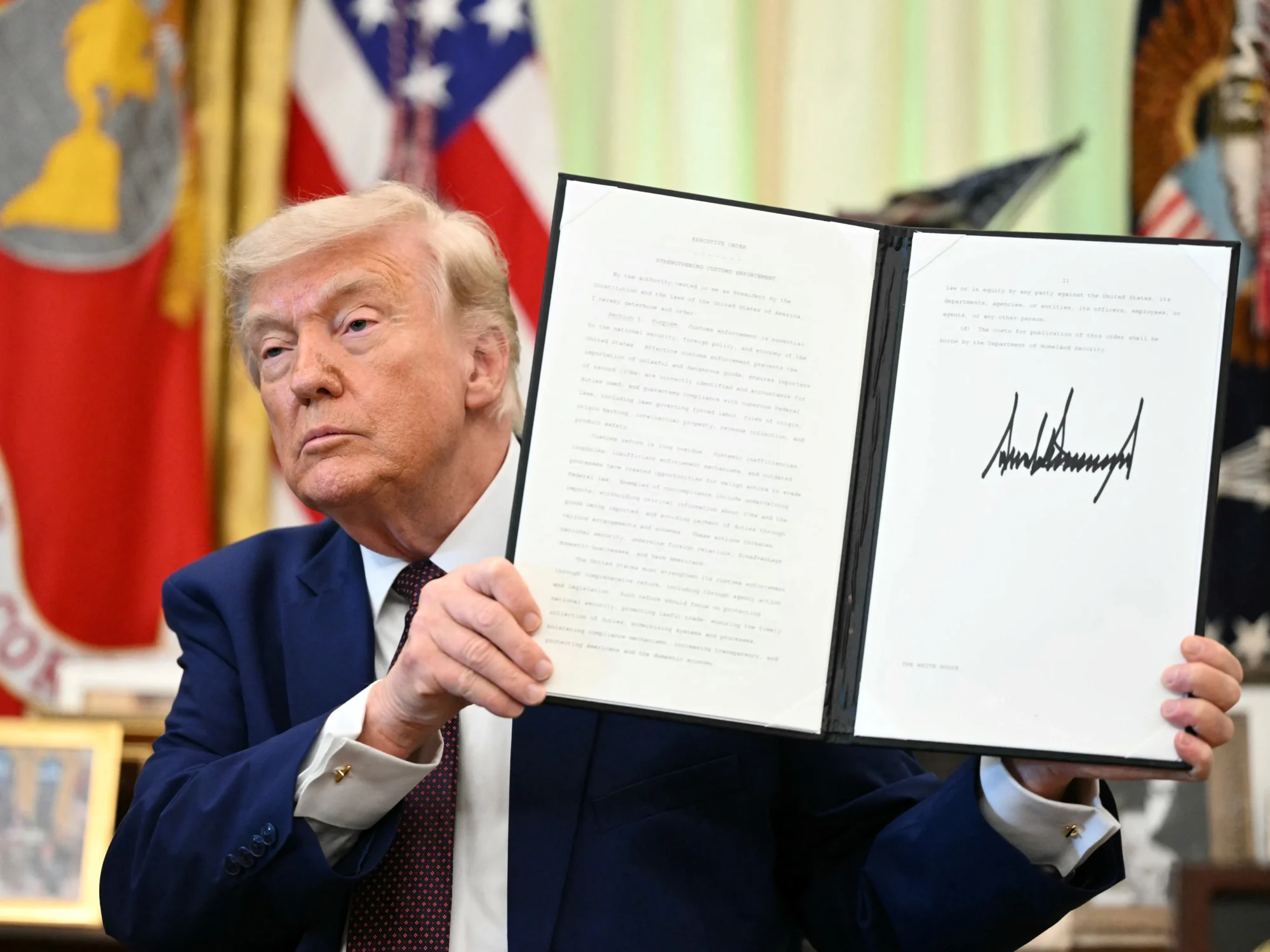
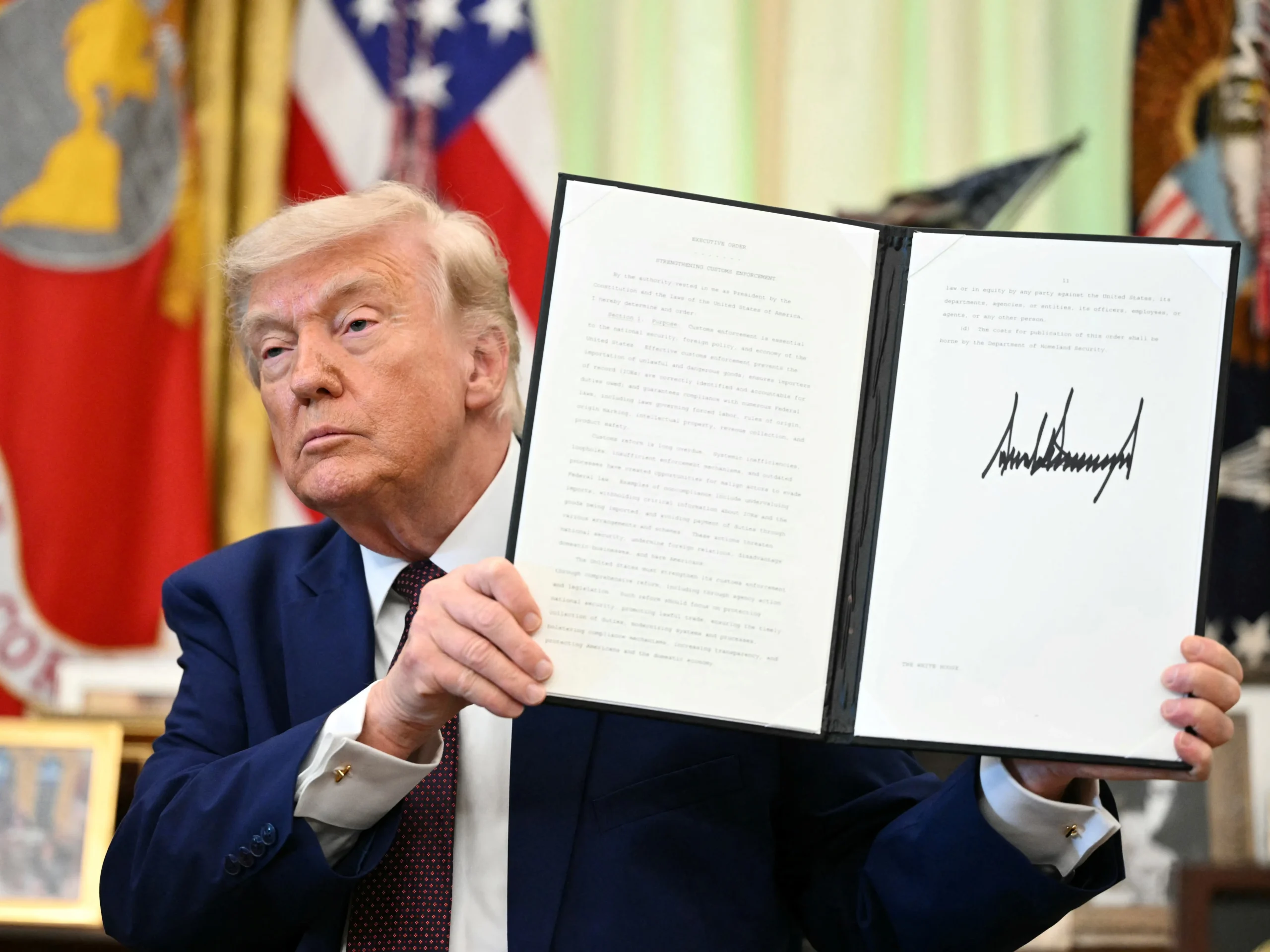
At a glance: On June 3, 2026, President Trump signed an executive order directing a comprehensive overhaul of U.S. customs enforcement, targeting transshipment fraud, undervaluation, and forced labor imports. The order does not impose new tariffs, but it significantly raises the compliance bar for importers of Vietnamese-origin goods, with a 180-day implementation deadline of approximately December 1, 2026.
Background: Why This Order Was Issued
The order targets three practices that CBP has identified as primary vectors for tariff evasion: transshipment of goods through third countries to obscure true origin, undervaluation of declared shipment values, and importation of goods made with forced labor.
All three are areas where Vietnam has faced heightened scrutiny from U.S. authorities. The order does not impose new tariffs — but it significantly raises the compliance bar for importers of Vietnamese-origin goods and their logistics intermediaries.
What the Executive Order Requires
The order directs the Department of Homeland Security and CBP to implement the following within 180 days:
-
Tighter Importer of Record (IOR) eligibilityNew requirements will mandate that importers of record demonstrate greater U.S. nexus — including minimum domestic asset thresholds and higher customs bond requirements. Foreign IORs face additional restrictions, including limits on informal entry and mandatory enhanced compliance mechanisms.
-
Expanded disclosure obligationsImporters will be required to disclose beneficial ownership structures and provide detailed supply chain data at the time of entry — making it significantly harder to obscure the true origin or ownership of goods moving through intermediary entities.
-
“Good standing” requirementThe order establishes a new compliance classification that could bar non-compliant importers from access to the U.S. market entirely — a significant escalation beyond the current penalty-based enforcement model.
-
Increased audit and penalty exposureThe order raises minimum penalty floors for customs violations, expanding both the frequency and severity of post-entry enforcement actions.
Why This Matters for Vietnam-Origin Cargo
Vietnam has been the subject of repeated CBP enforcement actions related to transshipment — particularly involving goods of Chinese origin routed through Vietnam with minimal transformation to claim Vietnamese origin and benefit from lower tariff rates. The new executive order is in part a direct response to its continued prevalence.
Origin documentation will face greater scrutiny — certificates of origin, substantial transformation evidence, and manufacturing records must withstand a higher standard of review. Importers relying on Vietnamese suppliers with Chinese-origin inputs should assess their exposure carefully. Complex intermediary IOR structures will attract scrutiny rather than obscure it. The compliance cost of entering the U.S. market is going up: higher bonds, more detailed disclosures, and elevated audit risk all increase landed cost calculations.
What Businesses Should Do Now
-
1Review your IOR arrangementsAssess whether your current importer of record will meet the new domestic nexus and bond requirements. Begin discussions with your customs broker well ahead of the December deadline.
-
2Conduct an origin compliance auditReview your supply chain for any inputs or processes that could attract transshipment scrutiny. Ensure certificates of origin are supported by adequate manufacturing documentation.
-
3Map and document your supply chainThe new beneficial ownership and supply chain disclosure requirements demand documentation that many businesses have not previously maintained. Start building that record now.
-
4Assess your penalty exposureWith minimum penalty floors rising, historical customs violations carry higher financial risk. A proactive compliance review is advisable before enforcement ramps up.
-
5Monitor CBP implementation guidanceThe 180-day window will produce detailed regulatory guidance from CBP and DHS. Voltrans will publish updates as that guidance is issued.
Looking Ahead
The June 3 executive order represents the most significant structural change to U.S. customs enforcement in recent years — and it is specifically designed to address the practices that have most frequently implicated Vietnam-origin cargo. For businesses operating Vietnam-based supply chains, proactive preparation well ahead of the December 2026 implementation deadline is strongly advisable.
Voltrans Logistics will continue to monitor CBP guidance and publish updates as implementation details are confirmed.